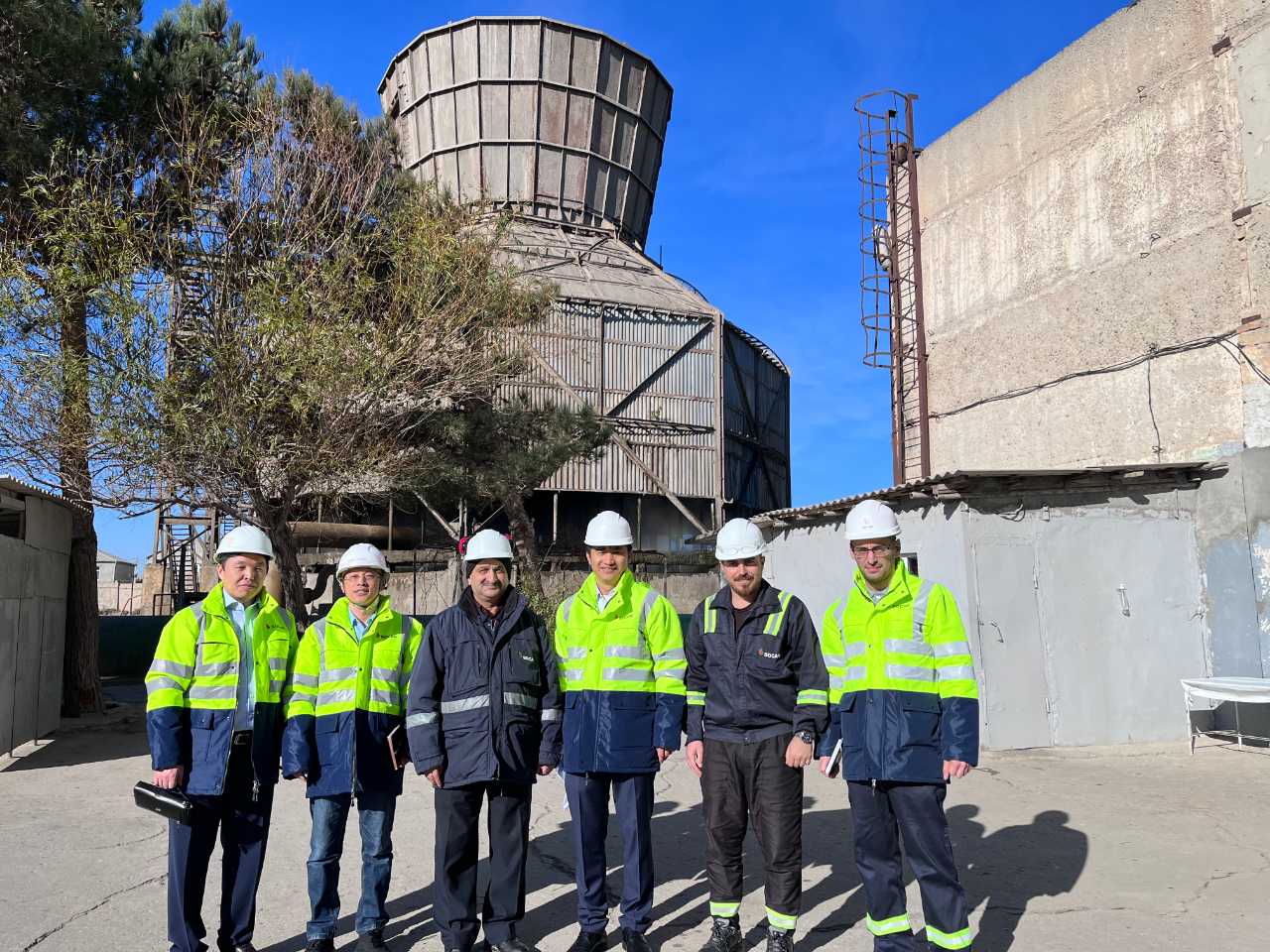


30 year cooling tower project renovation
2023-12-11 09:01Cooling towers are critical infrastructure in industrial production, HVAC systems, and various commercial facilities, responsible for efficient heat dissipation to ensure the stable operation of downstream equipment. With the passage of service life, changes in production demands, and the advancement of energy-saving and environmental protection standards, many existing cooling tower systems face challenges such as reduced heat exchange efficiency, excessive energy consumption, frequent failures, and non-compliance with new environmental regulations. Retrofit projects have thus become a cost-effective solution to address these issues, enabling cooling towers to regain optimal performance, reduce operational costs, and meet the latest industry requirements. This article elaborates on the core aspects of cooling tower retrofit projects, including the driving factors, key steps, critical considerations, and expected benefits.
1. Driving Factors for Cooling Tower Retrofit
The decision to retrofit a cooling tower is typically driven by a combination of operational, economic, and regulatory factors. Understanding these drivers is essential for formulating a targeted retrofit plan.
1.1 Deterioration of Operational Performance
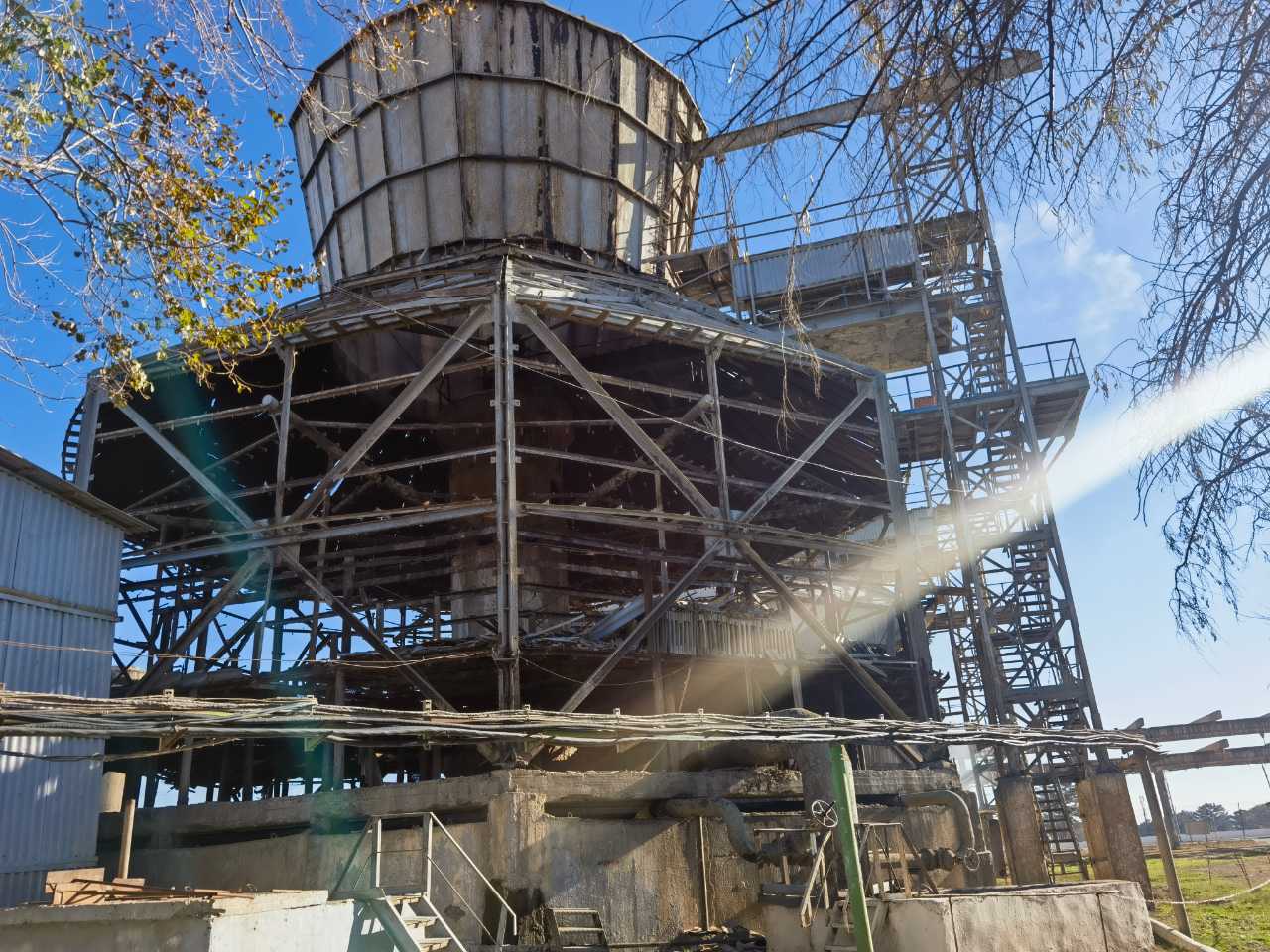
Long-term operation leads to inevitable wear and tear of key components (such as coils, fans, nozzles, and fill materials), as well as scaling, fouling, and corrosion. These issues directly result in reduced heat exchange capacity—for example, fouled coils can decrease heat transfer efficiency by 20% to 30%—failing to meet the heat dissipation demands of upgraded production processes. Additionally, aging systems often suffer from uneven air or water distribution, leading to increased operational noise and vibration, and higher failure rates of fans and pumps, which affect the overall stability of the production line.
1.2 Rising Energy Consumption and Operational Costs
Older cooling tower designs (especially those manufactured before the 2010s) lack advanced energy-saving technologies. Fixed-speed fans and pumps operate at full load even under partial heat load conditions, resulting in excessive energy consumption. According to industry data, fans and pumps account for 60% to 70% of the total energy consumption of cooling tower systems. Moreover, frequent maintenance and component replacement due to aging further increase operational costs, making retrofit a more economical option compared to long-term maintenance.
1.3 Compliance with Environmental and Regulatory Requirements
Stringent environmental regulations regarding water conservation, noise pollution, and emission control have been implemented globally. For instance, many regions have set strict limits on the water discharge temperature and total dissolved solids (TDS) of cooling tower circulating water to protect water resources. Additionally, noise limits for industrial facilities have been lowered, requiring retrofits to reduce fan and operational noise. Aging cooling towers often fail to meet these new standards, forcing enterprises to conduct retrofits to avoid legal risks.
1.4 Adaptation to Changes in Production Demands
Expansion, upgrading, or product adjustment of industrial facilities often leads to increased heat load, which exceeds the design capacity of existing cooling towers. Instead of building new cooling towers (which involves high investment and long construction cycles), retrofitting existing systems to enhance heat exchange capacity is a more efficient and cost-effective choice. For example, adding heat exchange coils or upgrading fan systems can quickly meet the increased heat dissipation requirements.
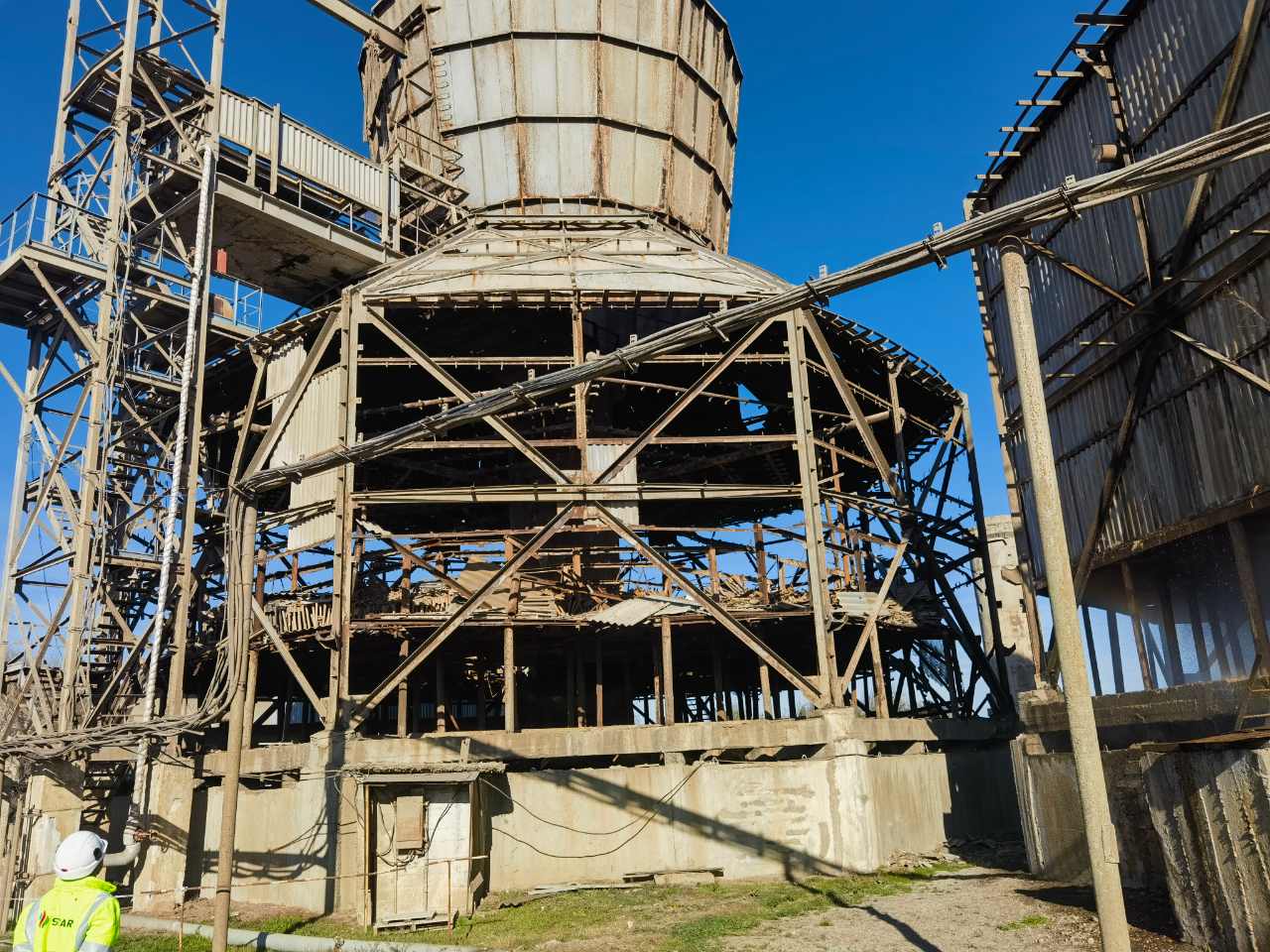
Critical Considerations for Retrofit Projects
1.1 Compatibility with Existing Systems
1.2 Balance Between Cost and Benefit
1.3 Compliance with Safety and Environmental Standards
1.4 Long-Term Maintenance Planning