

Material selection and construction technology innovation
2026-02-06 11:53Material selection and construction technology innovation
The maintenance and replacement of cooling towers in power plants require a combination of scientific material selection and efficient construction. In terms of material selection, it is necessary to select materials based on the characteristics of the medium, temperature, pressure, and environmental conditions. For water bodies containing chloride ions, titanium alloy fillers are recommended, as they have excellent corrosion resistance and a long service life. A certain power plant adopted titanium alloy fillers and extended the service life of the fillers to 25 years, reducing the annual replacement cost by 3 million yuan.
Selection of Fillers and Performance Comparison
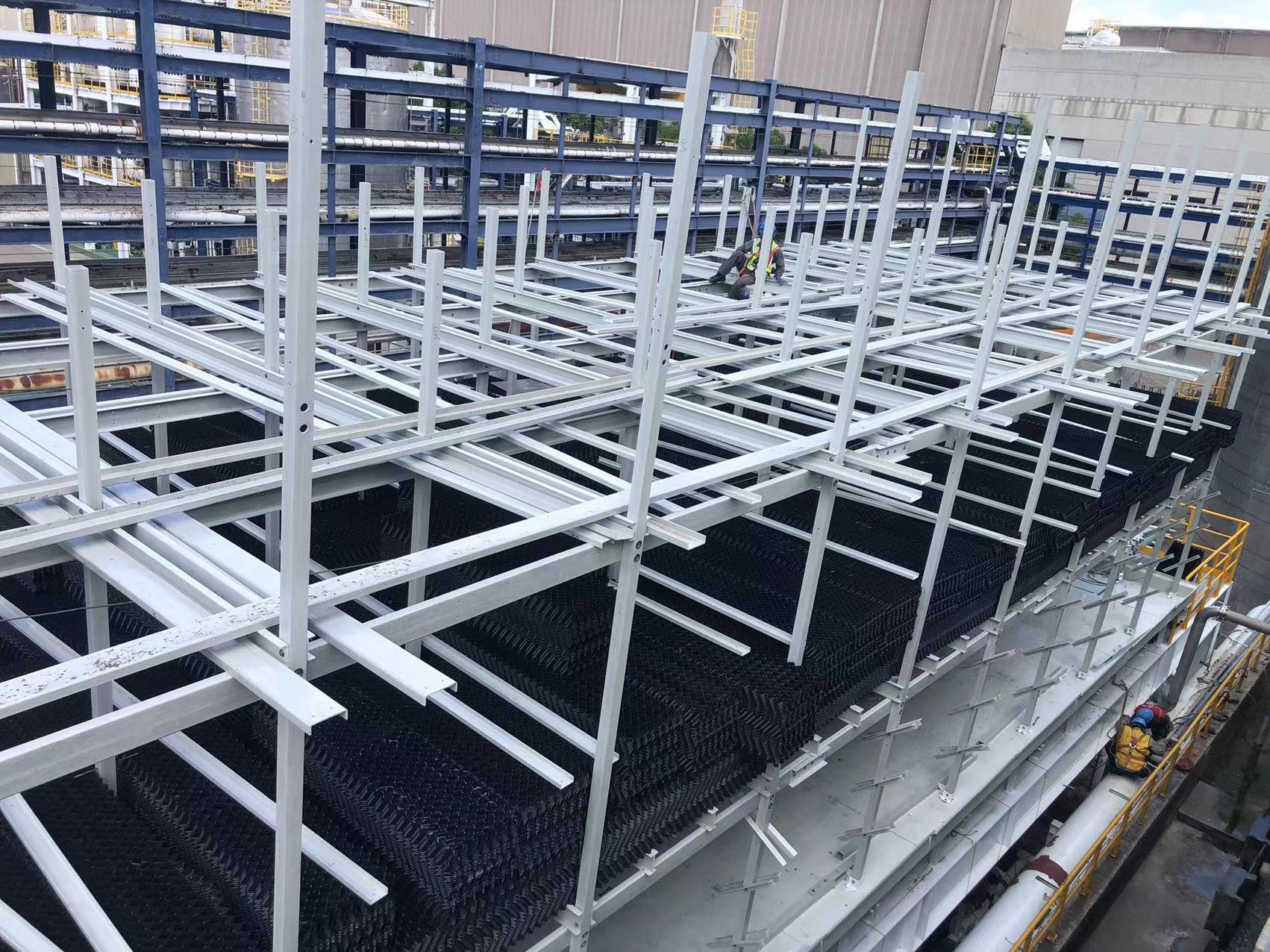
The fillers, as the core heat exchange components of the cooling tower, directly affect the cooling efficiency. For environments with high temperature and high humidity, it is recommended to use membrane fillers, which have a large specific surface area and high heat exchange efficiency. A power plant adopted membrane fillers and reduced the outlet water temperature of the cooling tower by 1.5°C, saving 600,000 yuan in compressor energy consumption annually. For low-load conditions, it is recommended to use drop-in fillers, which have excellent anti-blocking performance and low maintenance costs, and save 400,000 yuan in cleaning costs annually.
Fan Selection and Energy-saving Renovation
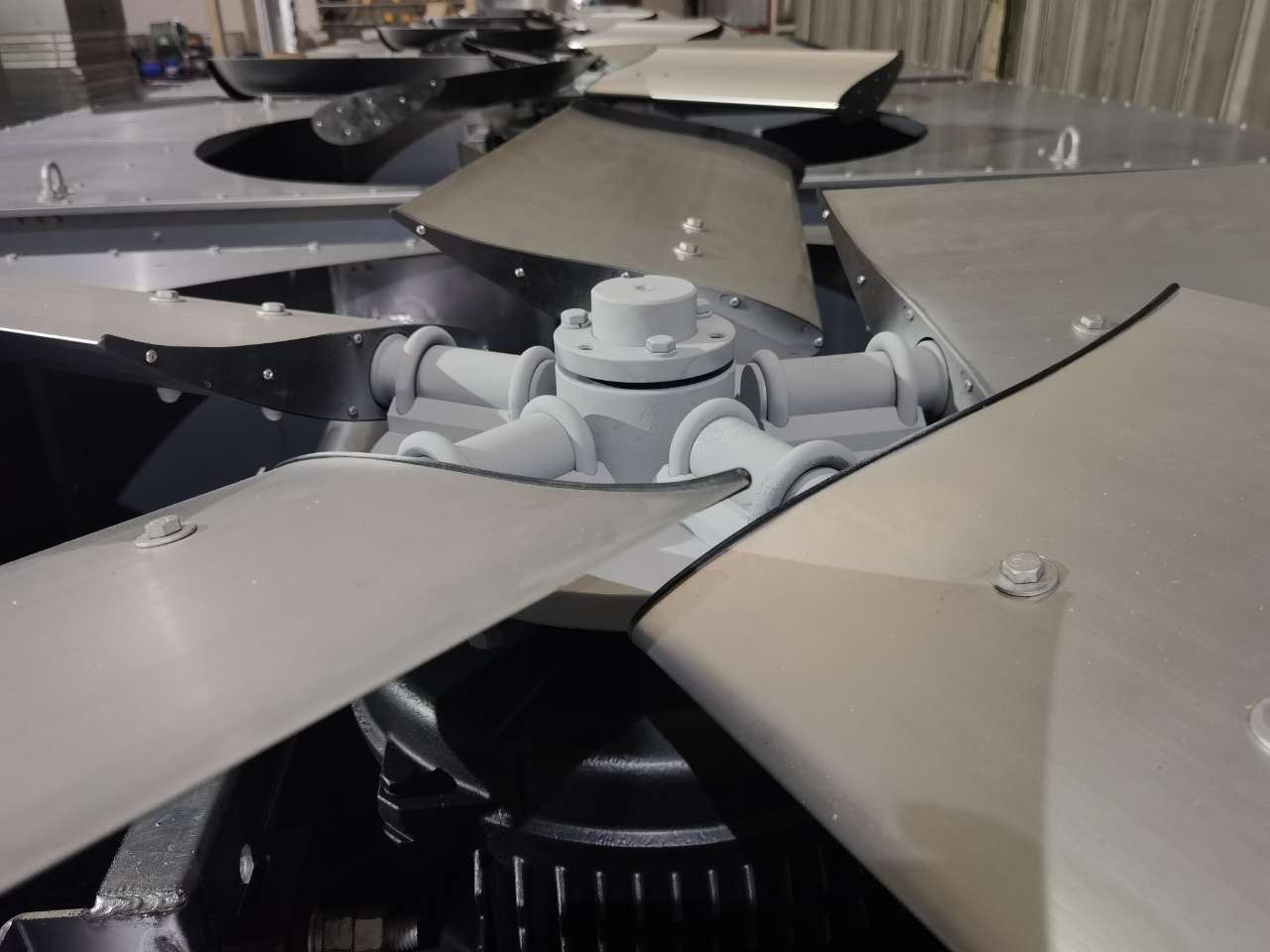
The fan, as the power equipment of the cooling tower, accounts for over 60% of the total energy consumption of the system. It is recommended to adopt high-efficiency energy-saving fans, whose energy efficiency grade should reach the first-level standard. A certain power plant, by adopting high-efficiency energy-saving fans, reduced the cooling tower's energy consumption by 18% and saved 2 million yuan in annual electricity bills. The intelligent control system achieves precise control of air volume through variable frequency speed regulation, further reducing the fan's energy consumption by 8% and reducing carbon emissions by over 100 tons per year.